Last summer, a group of 16‑year‑olds from Manchester logged into a VR platform and spent a whole afternoon exploring a recreated Roman amphitheatre. They left the campus with a stack of screenshots and a new obsession: virtual travel. The trend is now measurable. According to a 2024 survey by the UK Youth Digital Association, 38 % of teens aged 13‑18 say they visit at least one digital destination each month, up from 22 % a year earlier. The numbers show that virtual realms are no longer a niche hobby; they’re a mainstream way for young people to satisfy wanderlust without a passport.
What Teens Are Seeking in a Digital Destination
Three key features drive engagement: authenticity, interactivity, and community. Authenticity means accurate recreation of landmarks, down to the cobblestones of the Colosseum or the graffiti‑covered walls of Berlin’s East Side Gallery. Interactivity lets users manipulate objects, take selfies with holographic guides, or solve puzzles that unlock hidden rooms. Community gives them a place to chat, share tips, and collaborate on virtual scavenger hunts.
- Real‑time weather and seasons: Some platforms simulate London’s fog or the Sahara’s heat, adding a sensory layer that static images lack.
- Multiplayer quests: Teams of up to five can co‑operate to find a lost artifact in a virtual city, mirroring the teamwork found in school projects.
- Custom avatars: Teens can design outfits inspired by local street fashion, making the experience personal.
Hardware and Accessibility
High‑end headsets like the Meta Quest 3 cost around £400, but the entry barrier is lower than you might think. Many schools now provide free VR kits for clubs, and public libraries offer free borrowing for a week. A mid‑range headset, such as the Pico Neo 4, sits at £250 and still delivers 90 fps, which is the threshold for smooth motion to avoid nausea. Even smartphones with AR capabilities can launch lightweight experiences, though they lack full immersion.
For teens who don’t own a headset, web‑based virtual tours run on a standard laptop. Google Arts & Culture, for instance, offers a 360° walk through the Louvre that requires only a browser. The learning curve is minimal: a single click opens a panoramic view, and a mouse drag moves the camera.
Educational Value and Parental Concerns
Educators see virtual travel as a supplement to history lessons. A pilot program in Birmingham schools let students “walk” through the ruins of Hadrian’s Wall, earning a 15 % increase in quiz scores on Roman Britain. Parents, however, worry about screen time and data privacy. The UK’s Digital Privacy Act requires platforms to disclose data usage, and most reputable services now offer parental controls that limit session length to 60 minutes.
Connecting Virtual and Real‑World Fun
While virtual travel satisfies curiosity, some teens use it as a gateway to online gaming and entertainment. For instance, after exploring a virtual New York skyline, a user might jump into a multiplayer shooter set in the same environment. This crossover is why a few gaming communities now host events where players first tour a virtual city before competing in a related esports match. It’s a seamless blend of exploration and competition that keeps engagement high.
Spins Castle casino login offers a unique way to blend gaming with virtual exploration, letting players dive into themed adventures that mirror real-world landmarks.
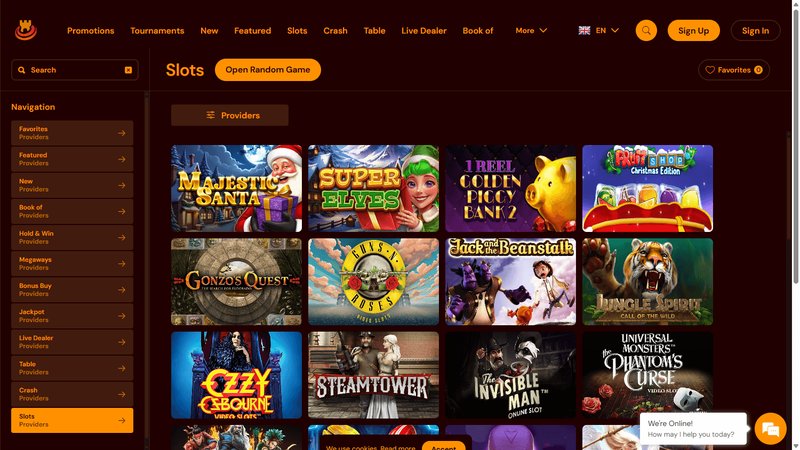
Spins Castle casino login is a popular portal that offers a range of virtual experiences, including themed tours that mimic real-world landmarks. The site’s interface is straightforward: a single button takes you from the lobby to a VR tour of a medieval castle, where you can interact with knights and solve riddles. It’s a reminder that the line between gaming and travel is thinner than ever.
Which Path to Choose?
If you’re a teen looking for an affordable entry point, start with web‑based tours and a smartphone. Once you’re comfortable, consider a mid‑range headset for deeper immersion. Schools and libraries can be your first stop, and if you’re ready to dive deeper, a dedicated VR platform will let you build a personal travel library that grows with you. The key is to balance screen time, choose reputable services, and keep the experience fun and educational. The virtual world is vast; the choice of how far to explore is yours.
Frequently Asked Questions
Why are UK teens interested in virtual worlds?
They seek immersive experiences, social interaction, and escape from daily routines, especially after pandemic restrictions.
What platforms are most popular among teens?
VR platforms like Meta Horizon, Roblox, and Minecraft dominate, offering customizable environments and community events.
How does virtual travel benefit mental health?
It provides stress relief, creative expression, and a sense of exploration without physical travel barriers.